
Heritage & Architecture of India: 45 UNESCO World Properties
From the flawless ivory-white marble symmetry of the Taj Mahal to the monolithic rock-cut Kailash Temple carved top-down from a single basalt mountain cliff, India is home to some of humanity's most astonishing architectural triumphs spanning over 2,500 years of stone masonry.
The Sacred Geometry of Temples, Forts & Subterranean Stepwells
Indian architectural science, codified in ancient treatises known as the Vastu Shastra, views monuments not merely as physical structures, but as cosmic diagrams (*mandalas*) balancing earth, solar alignment, and human spirit.
In Uttar Pradesh, Agra's Taj Mahal represents the zenith of Indo-Islamic symmetry, adorned with intricate floral *pietra dura* inlay in semi-precious lapis lazuli, jasper, and carnelian. In Maharashtra, Cave 16 of Ellora houses the Kailash Temple—an engineering marvel where 200,000 tons of solid basalt rock were excavated from above using only hammers and chisels.
In the arid realms of Rajasthan and Gujarat, architecture descends beneath the earth in monuments like Rani ki Vav (Queen's Stepwell) in Patan—a seven-story subterranean water temple adorned with over 500 high-relief sculptural masterworks.
"The Taj Mahal rises above the banks of the river like a solitary tear suspended on the cheek of time."
Great Architectural Traditions of India
Four distinct stone and structural legacies that shaped the subcontinental landscape.
Indo-Islamic & Mughal Splendor
Bulbous marble domes, geometric lattice jali screens, charbagh quadrilateral paradise gardens, and imposing red sandstone battlements at Delhi's Red Fort and Fatehpur Sikri.
Dravidian & Nagara Temples
Soaring pyramid gopuram towers adorned with thousands of painted deities in Tamil Nadu, and curvilinear sandstone shikhara spires at Khajuraho and Konark Sun Temple.
Rajput Hill Fortresses
Massive golden sandstone hill forts in Jaisalmer, Chittorgarh, and Mehrangarh (Jodhpur) perched dramatically over desert horizons with royal mirror-work palaces (*Sheesh Mahal*).
Architectural Wonders Across Four Compass Points
Discover the key stone monuments of each territory.
Mughal & Rajput Forts
Taj Mahal, Agra Fort, Fatehpur Sikri, Qutub Minar, Humayun's Tomb, and Jaipur's Amber Fort.
Rock-Cut & Erotic Sculptures
Ellora's monolithic Kailash Temple, Ajanta Buddhist fresco caves, Sanchi Great Stupa, and Khajuraho temples.
Granite Temples & Ruins
Hampi's monolithic chariot, Mahabalipuram shore temples, Brihadisvara Temple, and Madurai gopurams.
Iconic Architectural Destinations
The crown jewels of Indian monumental engineering.
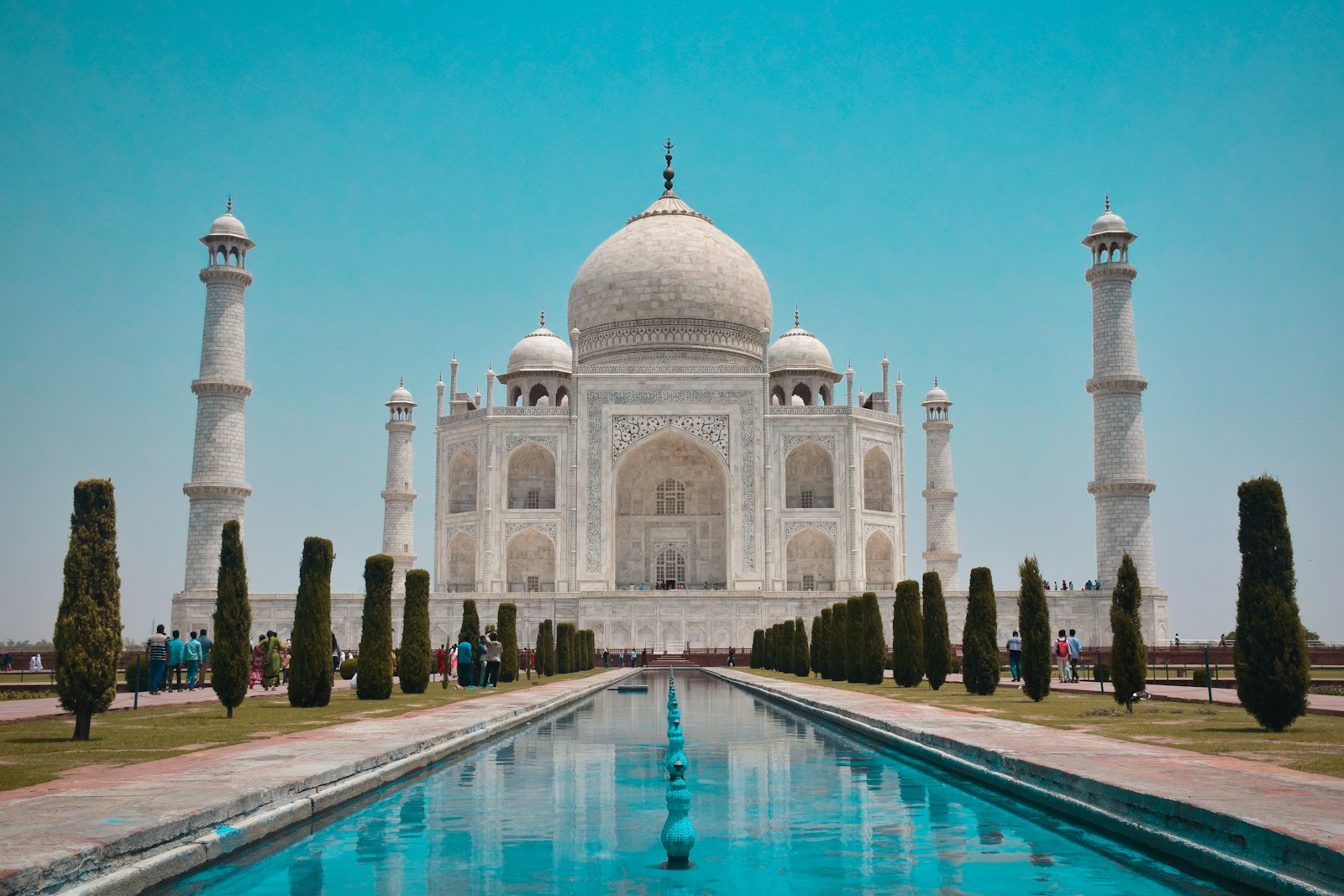 Wonder of the World
Taj Mahal & Mughal Agra
Commissioned in 1632 by Emperor Shah Jahan, this pure white Makrana marble wonder embodies eternal symmetry and intricate gemstone inlay.
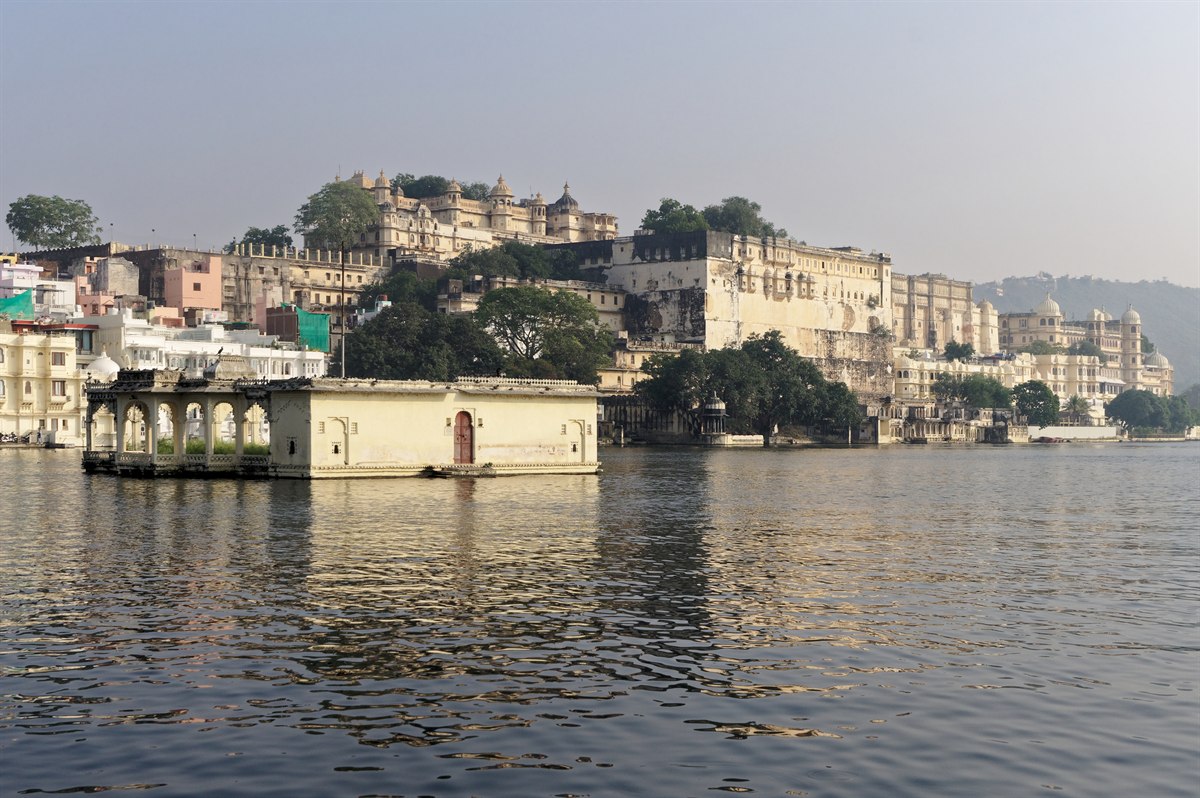 Rajput Palaces
Udaipur & Jaipur Royal Palaces
Intricate marble balconies, stained-glass peacock courtyards, and massive fortified battlements overlooking tranquil lake waters.
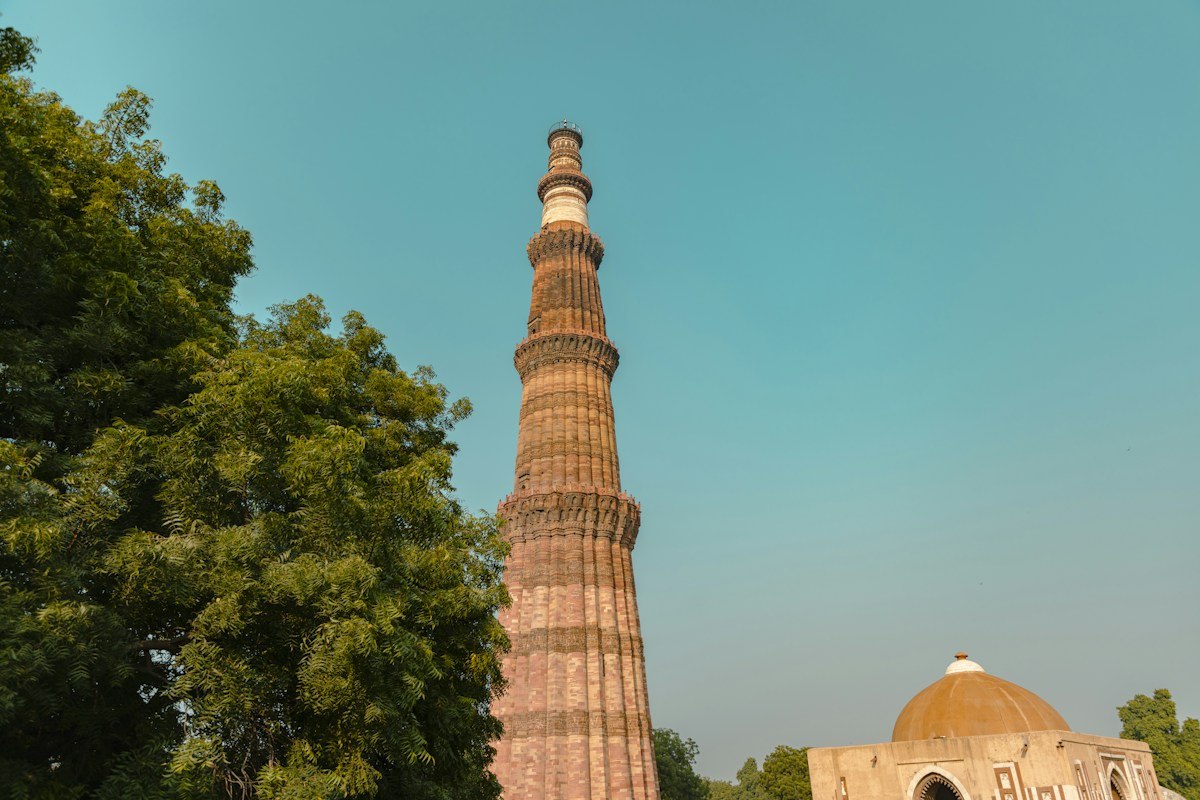 UNESCO Monument
Qutub Minar & Imperial Citadels
The world's tallest brick minaret standing 72.5 meters high, surrounded by ancient 4th-century rust-resistant iron pillars and Mughal tombs.
Ticketing, Photography & Visit Timings
Official guidelines for visiting ASI (Archaeological Survey of India) protected monuments.
Official Online e-Ticketing
Book ASI monument tickets online in advance via the official portal (asi.payumoney.com) to skip entrance queues at the Taj Mahal, Qutub Minar, and Red Fort.
Sunrise & Night Viewings
The Taj Mahal is closed on Fridays for prayers. Night viewings are permitted during full moon nights (5 nights per month). Book night tickets well in advance.
Official Audio & Human Guides
Only hire Ministry of Tourism approved regional level guides displaying official ID badges. The 24x7 Multi-Lingual Tourist Helpline is 1363.
The Classical Golden Triangle & Khajuraho
An 8-day route connecting Delhi, Agra, Jaipur, and the stone temples of Khajuraho via express rail.