Culture & Heritage of India: Five Millennia of Living Memory
Unlike ancient cultures preserved solely within museum vaults, India's cultural heritage remains a pulsating daily reality. From Vedic twilight chants beside sacred rivers to classical temple dances passed down through unbroken ancestral lineages, travel through a land where devotion, art, and philosophy unite into living expression.
An Unbroken Continuum of Wisdom, Art & Sacred Rituals
The cultural heritage of India is founded upon profound philosophical concepts—Vasudhaiva Kutumbakam ("The World is One Family") and Atithi Devo Bhava ("The Guest is Divine"). For over five thousand years, waves of civilisations, spiritual lineages, and artistic masters have enriched the subcontinental tapestry while honoring an enduring core of sacred harmony.
Step into the ancient temple sanctums of Tamil Nadu, where bronze nataraja sculptures embody cosmic dance, or witness the evening Maha Ganga Aarti along the stone ghats of Uttar Pradesh in Varanasi, where priests lift multi-tiered brass fire lamps amid Vedic conch blasts. Indian culture is an experiential journey that transforms the traveler from a passive observer into an honored participant.
Across all regions, performing arts such as Bharatanatyam, Kathakali, Odissi, and Kathak translate epics into sublime rhythmic footwork and expressive mudras, while classical Hindustani and Carnatic music traditions echo through century-old stone pavilions and seasonal music festivals.
"India is the cradle of the human race, the birthplace of human speech, the mother of history, the grandmother of legend, and the great grandmother of tradition."
Foundations of Indian Cultural Experience
Four timeless dimensions that define the depth and authenticity of Indian cultural exploration.
Vedic Rites & River Rhythms
Experience ancient rituals performed exactly as documented thousands of years ago in the Vedas. The Ganga Aarti at Varanasi, Haridwar, and Rishikesh creates an ethereal communion of fire, water, and chanting.
Classical Performing Arts
Witness eight classical dance forms recognized by the Sangeet Natak Akademi, featuring elaborate Kathakali eye gestures in Kerala, fluid temple movements of Odissi, and graceful Kathak pirouettes.
Living Temple Traditions
Marvel at functioning millennia-old temples such as Madurai's Meenakshi Temple, Thanjavur's Brihadisvara, and Puri's Jagannath Temple where daily worship, music, and chariot processions continue unbroken.
Cultural Expressions Across Four Compass Points
Each region of India preserves its distinct linguistic, spiritual, and artistic legacy.
Sacred Plains & Empires
Vedic roots along the holy Ganges, Sufi qawwali traditions in Delhi, royal courtly music, and sacred pilgrim routes.
Dravidian Temple Sanctums
Grand monolithic temple towers (gopurams), Carnatic classical concerts, Theyyam spirit dances, and bronze metallurgy.
Chivalry, Forts & Folklore
Vibrant desert folk ballads of the Manganiyars, heroic Rajput legends, Garba rhythmic dances, and rock-cut shrines.
Tribal Lore & Monasteries
Ancient Buddhist prayer wheels in Sikkim, bamboo dance traditions in Mizoram, terracotta temples in Bengal, and Odissi classical dance.
Iconic Cultural Destinations in India
Key destinations where international travelers can experience authentic cultural immersion.
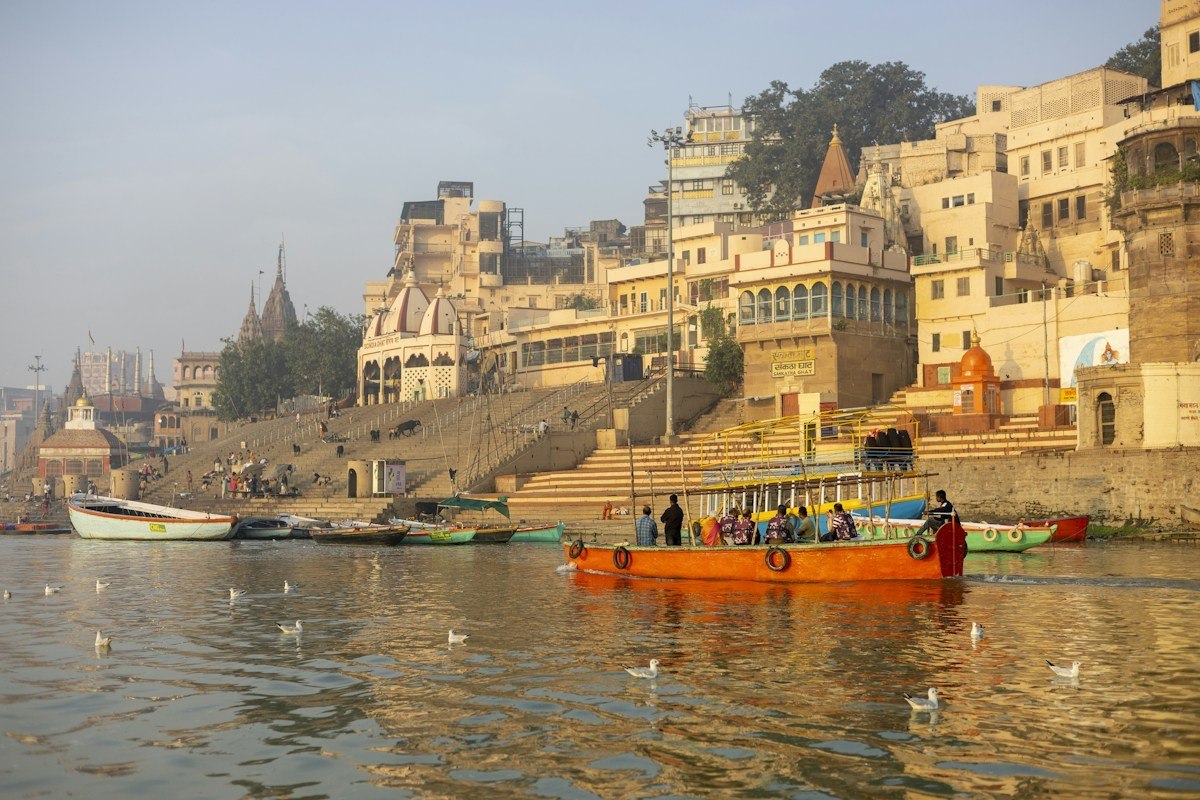 Vedic Heart
Varanasi & The Sacred Ganges
The oldest living city on Earth, where spiritual traditions and morning boat rituals along 84 stone ghats remain unchanged for millennia.
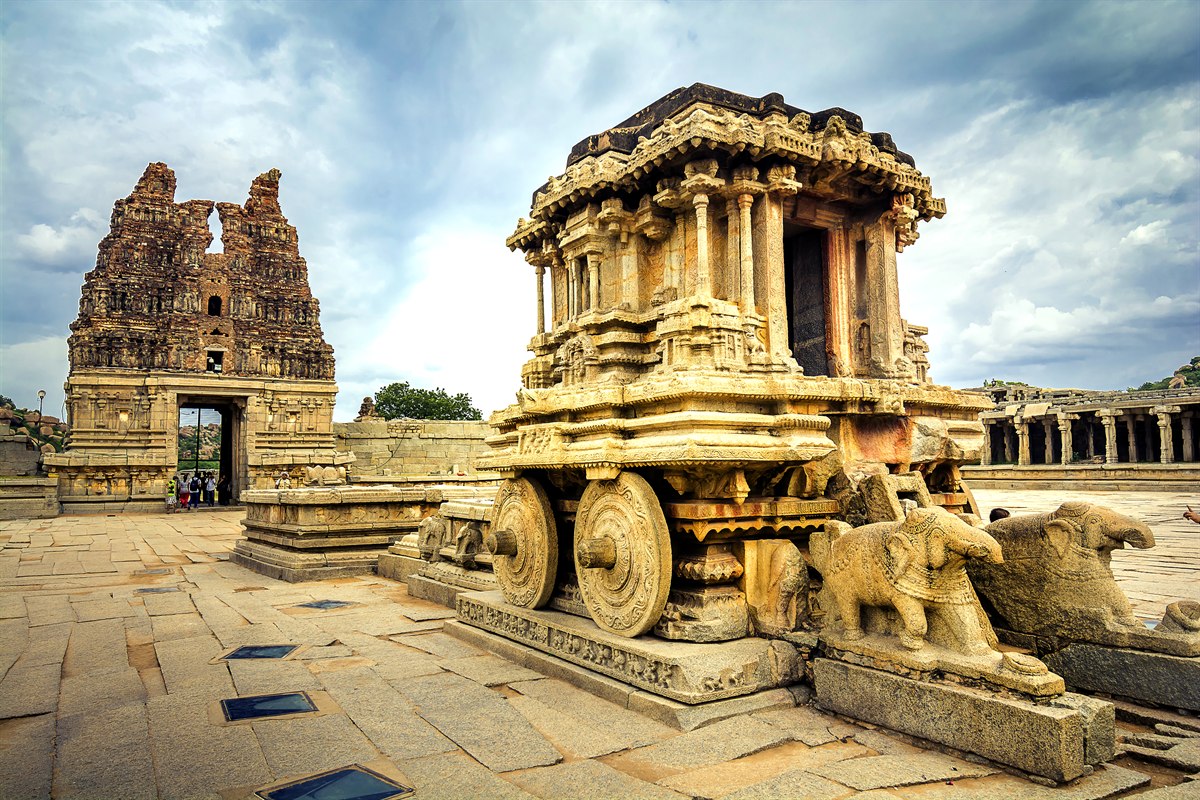 UNESCO Monument
Hampi Vijayanagara Citadel
Surreal boulder-strewn landscapes sheltering 14th-century royal palaces, musical stone pillared halls, and sacred Virupaksha Temple.
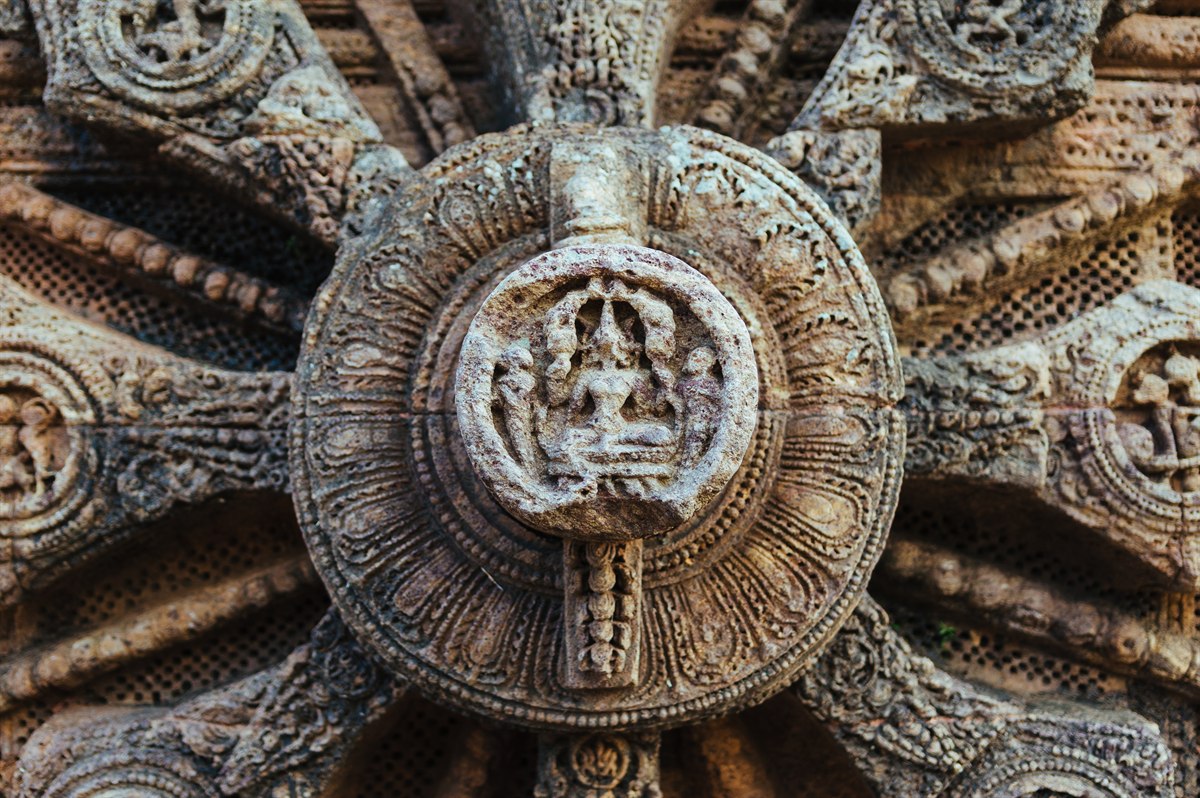 Astronomical Marvel
Konark Sun Temple & Classical Dance
A 13th-century colossal chariot carved in chlorite stone with 24 intricate sundial wheels and the annual Konark Dance Festival.
International Visitor Protocols & Practicalities
Key practical advice for respectful and seamless cultural travel in India.
Optimal Travel Season
October through March offers pleasant temperatures across North and South India, coinciding with major cultural gatherings like Diwali and classical music seasons in Chennai.
Temple Etiquette & Attire
Dress modestly covering shoulders and knees when visiting temples. Remove shoes at designated areas. Always walk around inner sanctums in a clockwise direction (*pradakshina*).
Digital Payments & Support
Foreign visitors can activate UPI One World digital payments at international airports. The Government 24x7 Multi-Lingual Tourist Helpline is available toll-free at 1363.
The Classical Heritage & Ganges Trail
An 8 to 10-day cross-regional journey connecting Delhi, Agra, Jaipur, and Varanasi with verified cultural master guides.