
Food & Culinary Traditions of India: Royal Spices & Regional Masters
Indian gastronomy is an alchemy of six foundational tastes (*Shad Rasa*) refined over thousands of years. From royal Awadhi slow-cooked *dum pukht* biryanis sealed with dough to fiery coastal pepper curries and sizzling street food alleys, experience an extraordinary culinary heritage that nourishes both body and soul.
The Sacred Balance of Spices, Clay Ovens & Ancestral Heirlooms
In ancient Indian philosophy, food is regarded as Annam Brahma—sacred sustenance. Every spice used in traditional Indian cooking serves a dual role: imparting complex aromatic layers while balancing metabolic digestion according to Ayurvedic principles. Green cardamom, star anise, saffron, cumin, turmeric, and black pepper are tempered in pure ghee or cold-pressed mustard and coconut oils to release their medicinal essence.
The Indian subcontinent presents a vast gastronomic continent rather than a single cuisine. In Uttar Pradesh, the royal kitchens of Lucknow perfected Dum Pukht—slow cooking meats and fragrant Basmati rice inside heavy clay handis over gentle embers. In the South, along the lush palm-fringed coast of Kerala, seafood is simmered with Kokum, fresh coconut milk, and crushed Malabar black pepper.
India is also the world's grand capital of vegetarian artistry. Regional thalis in Gujarat and Rajasthan present twenty distinct micro-dishes served on silver platters, balancing sweet, tangy, bitter, astringent, salty, and pungent flavors in perfect nutritional harmony.
"Indian food is a symphony of flavors that touches all five senses. The secret lies not in the heat, but in the artful layering of fragrant spices."
Essential Indian Gastronomic Experiences
Four unmissable culinary encounters for international food enthusiasts.
Royal Dum & Tandoori Heritage
Savor slow-simmered Awadhi Galawati kebabs melting on the tongue, succulent tandoori rotis cooked on the clay walls of fiery ovens, and royal saffron biryanis prepared with long-grain Dehradun rice.
Coastal Spice & Coconut Feasts
Tour spice plantations in Munnar and Coorg where fresh peppercorns and cardamom grow, followed by traditional Kerala Sadya feasts served on fresh green banana leaves.
Historic Street Food Alleys
Navigate century-old culinary lanes in Old Delhi's Chandni Chowk, Lucknow's Chowk, and Kolkata's Park Street for hot jalebis, crispy kachoris, and artisanal chai in earthen clay cups (*kulhads*).
A Continent of Flavor Across Four Realms
Explore regional culinary specialities and signature ingredients.
Rich Gravies & Clay Ovens
Butter chicken, Dal Makhani, Sarson ka Saag with Makki Roti, Amritsari Kulcha, and fragrant saffron kheer.
Rice, Tamarind & Spices
Crispy fermented dosas, steamed idlis, Hyderabadi Dum Biryani, Chettinad black pepper curries, and filter coffee.
Grand Vegetarian Thalis
Dal Baati Churma, Ker Sangri desert berries, Gujarati Dhokla, and Mumbai's iconic coastal seafood curries.
Mustard, Fish & Bamboo
Bengali Macher Jhol (mustard fish), soft Rosogolla sweets, Assamese lemon dal, and Naga smoked pork with Raja Mircha.
Iconic Food Destinations of India
Destinations celebrated globally for their gastronomic legacy.
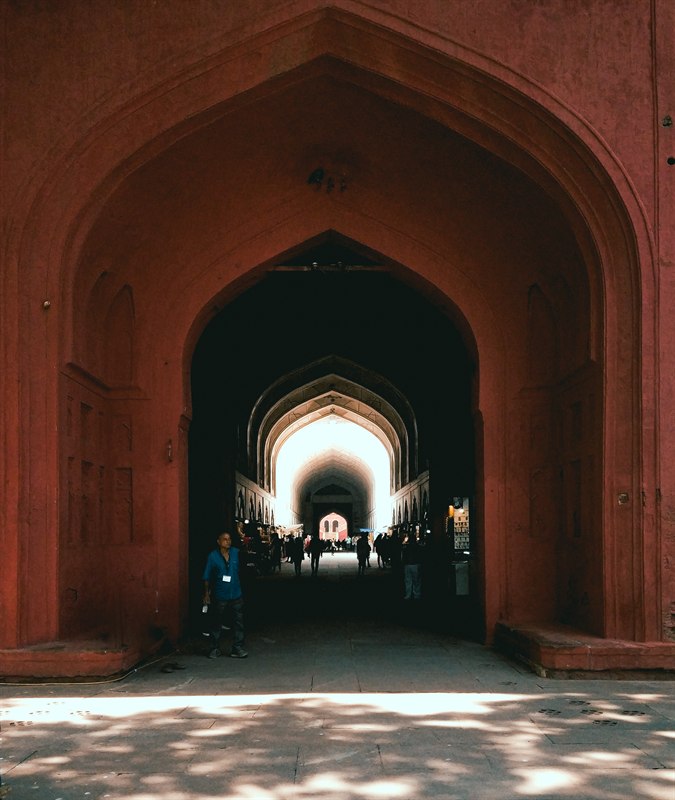 Street Food Capital
Old Delhi: Chandni Chowk & Mughlai Feasts
Centuries-old spice markets (Khari Baoli), stuffed parathas, aromatic kebabs, and creamy royal rabri desserts.
 Royal Nizami
Hyderabad: Royal Kacchi Dum Biryani
The crown jewel of Nizami cuisine, where marinated meat and basmati rice are cooked together in sealed degs with pure saffron.
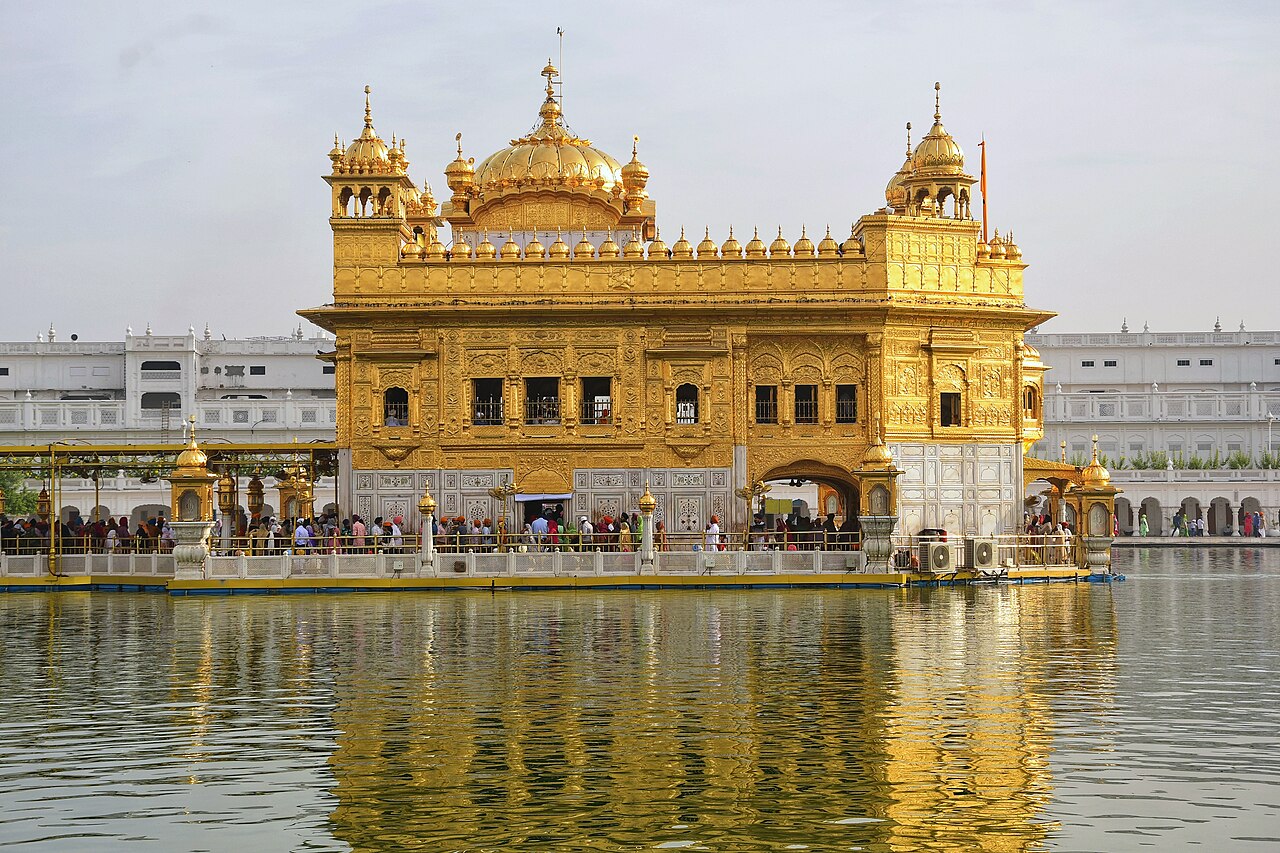 Langar & Tandoor
Amritsar: Tandoori Hearth & Guru Ka Langar
Experience the world's largest free community kitchen at the Golden Temple and crispy ghee-layered Amritsari kulchas.
International Traveler Dining Essentials
Practical guidance for exploring Indian culinary culture safely and enjoyably.
Water & Fresh Beverages
Always drink bottled or filtered water. Enjoy fresh tender coconut water (*Nariyal Pani*) directly from the green coconut and boiled spiced masala chai.
Spice Levels & Customization
You can request "mild spice" (*kam teekha*) at restaurants. Pair spicy dishes with cooling cucumber or pomegranate raita, and sweet mango lassi.
Vegetarian & Vegan Paradise
India has the world's highest percentage of vegetarians. Look for the green dot symbol on food packaging and menus indicating 100% vegetarian preparation.
The Grand Subcontinental Spice Trail
A 12-day gastronomic trail covering Delhi, Lucknow, Hyderabad, and Kerala with private heritage kitchen masterclasses.